All Categories
Featured
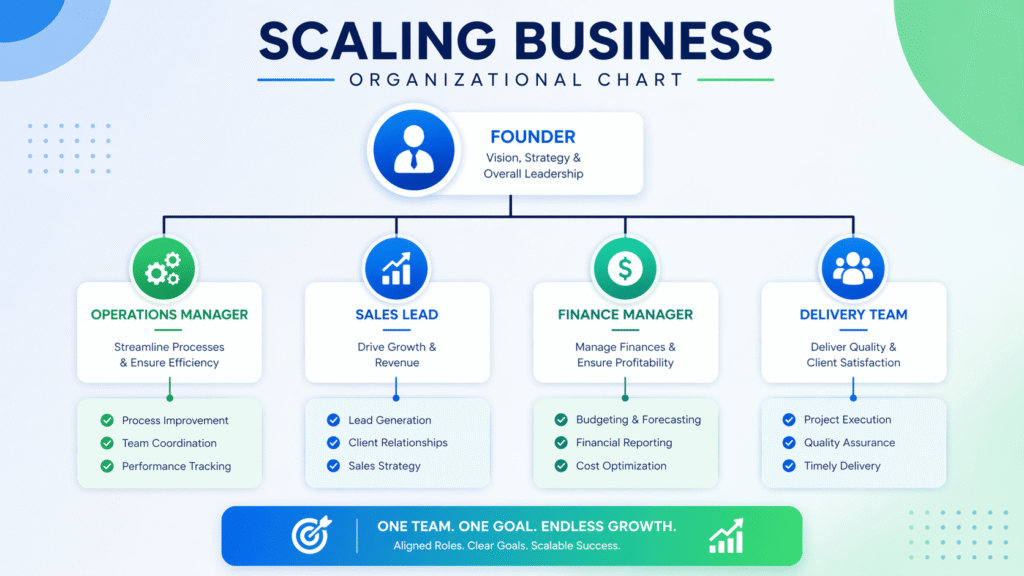
Scaling Blueprints: Manual Vs. Strategic Efficiency
Table of Contents
Find out to take advantage of AI to develop customer-centric strategies that drive development and growth. Learn how to craft and sustain effective brand names that resonate with your target audience. How to avoid pitfalls that thwart brand names, services, and even professions. Individuals will also earn a Certificate of Conclusion from Harvard Division of Postgraduate Work, more confirming their competence.
[target2:anchor_exact1]
It is especially relevant for: Marketing directors, VPs, CMOs, and company heads preparing to handle greater tactical leadership functions. General managers and entrepreneurs who manage big marketing budgets and responsible for driving service growth. Cross-functional leaders intending to position marketing as a collaborative force that drives development and competitive positioning.
Topics covered include: The progressing function of marketing executives as growth drivers within the organization. Comprehending and browsing the pressures of the C-suite and marketing's influence on company technique. Value proposal and product-market fit: determining target segments and navigating competitive markets. Structure and maintaining strong brand names through reliable positioning, storytelling, and customer resonance.
The future of AI in driving marketing execution and enhancing brand name efficiency. Efficient stakeholder engagement and impactful interaction. Budget plan management practices and marketing ROI and channel hierarchy.
Executive marketing is the ongoing practice of strategically positioning yourself as a recognized authority in your discipline/industry through optimized digital presence, thought leadership, and authentic visibility. It changes career security from depending on a single employer to constructing portable professional equity that attracts chances no matter work status. It's proactive and continuous and you're not simply engaged when you require a new function.
Key Methods for Scaling US Digital Agencies
Executive marketing is the communication of your identity. A lot of executives wait until they require a task to believe about their expert outreach. Executive marketing flips this approach entirely.
This way chances find you and leads are constantly warm when you need them stemming from your constant exposure and outreach. If you have been recruited, promoted, and/or searched for in some way your whole profession, then this post is for you, particularly. The rules of profession improvement have basically altered.
[target1:anchor_exact1]Here's what's occurring: recruiters, boards, and investors now form their impression of you online before they ever read your resume. AI-driven sourcing tools crawl LinkedIn profiles, individual sites, and released material to create longlists before human decision-makers get included. The executives who comprehend this aren't waiting until they require a brand-new role to develop their existence.

You lose market awareness of your own value. Long-tenured executives who stay internal-facing typically have no concept what their skills are worth in the wider market.
Optimizing Marketing Growth Strategies in 2026
The connections that could open doors for you forget you exist. When you finally connect after years of silence, it feels transactional, not genuine. Third, you become reliant on recruiters who don't work for you. Just 10% of hires occur through executive employers, and those employers work for the companies that pay their fees, not for candidates.
4th, you work out from weakness. When you have no visible existence, no current thought management, and a dormant network, companies presume you don't have choices. You can end up taking what's used instead of commanding what you deserve. Executive marketing isn't about becoming an influencer or publishing inspirational quotes with sunset backgrounds.
It's deliberate and proactive. This means keeping an optimized, active LinkedIn existence that shows your present capabilities, not simply your employment history. It implies contributing meaningful insights through periodic posts, articles, or comments that demonstrate how you consider the challenges in your market. It implies taking part in niche neighborhoods where high-trust, high-value connections take place.
Maximizing Agency Bottom-Line Margins Via Operational Excellence
This is an ability executives and senior experts have to find out. It frequently isn't instinctive or natural. It indicates your resume and LinkedIn profile are tactical marketing tools, not profession history documents. When someone looks you up, they should instantly comprehend why you're distinctively certified for senior-level roles in your area.
Clarity about your unique worth. What's your superpower? What do you bring that others in your area don't? If you can't articulate this in a single clear sentence, working with managers definitely can't figure it out from a generic resume that noises like everybody else's. Second, relationship-centered networking. According to JobVite, referred candidates are worked with at a rate of 30%, compared to simply 7% for candidates sourced through other approaches.

Latest Posts
Why Competitive Sector Analysis Is Critical in 2026
Essential Metrics for Tracking Marketing Performance
Conducting Comprehensive Marketing Analysis for US Success